Negative Words to Describe Someone: Understanding the Power of Language and Perception
When you search for “negative words to describe someone,” it’s often because you’re looking for language that accurately conveys difficult traits, complex emotions, or unfavorable behaviors. Whether you’re writing a story, giving feedback, or simply trying to express frustration, finding the right words matters. However, using negative words isn’t always about being harsh — sometimes, it’s about being precise, honest, or insightful.
In this article, we’ll explore different categories of negative words to describe someone — from personality flaws to attitudes, communication styles, and work habits. Understanding these words not only helps improve your vocabulary but also helps you describe people with nuance and emotional intelligence.
Why Negative Words Matter in Description
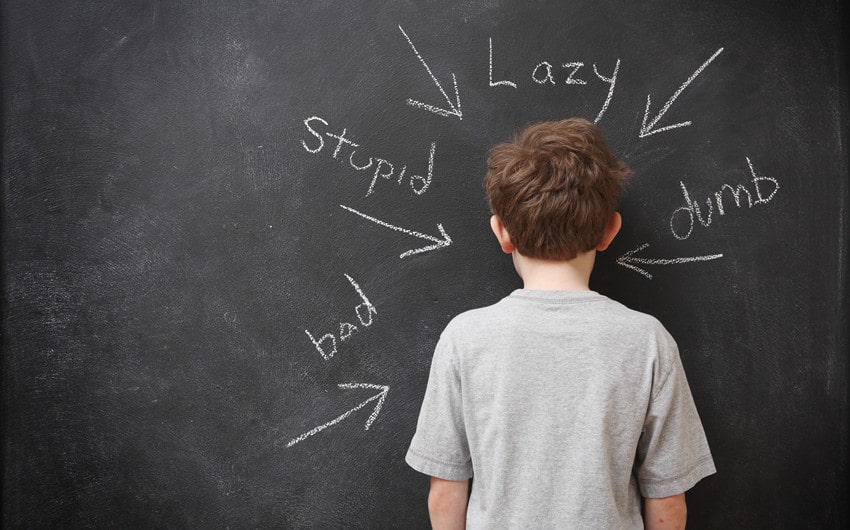
Language shapes how we see people. When you use words to describe someone negatively, you’re not just labeling them — you’re revealing a judgment about their behavior or personality. Words like “lazy,” “arrogant,” or “selfish” can carry strong emotional weight.
But not all negative descriptions are inherently cruel. In writing, they help build realistic, multidimensional characters. In everyday life, they can clarify boundaries, explain conflict, or guide personal reflection.
For example, describing someone as “stubborn” might sound critical, but it can also hint at determination. The key is context — how you use these words and what purpose they serve.
Negative Words to Describe Personality Traits
These are adjectives that describe someone’s character in a generally unfavorable way. They often relate to how a person behaves, reacts, or treats others.
Common Negative Personality Words
- Arrogant – Someone who believes they’re better or more important than others.
- Selfish – Focused only on their own needs or desires, often at the expense of others.
- Rude – Lacking manners or consideration.
- Jealous – Resentful of another’s success, possessions, or relationships.
- Deceitful – Dishonest and manipulative.
- Insecure – Lacking confidence or constantly seeking reassurance.
- Moody – Unpredictable in emotions; easily switches between happy and irritable.
- Pessimistic – Always expecting the worst in every situation.
- Judgmental – Quick to criticize or form negative opinions about others.
- Impulsive – Acts without thinking, often leading to poor decisions.
Subtle Negative Personality Words
Some negative personality traits are less obvious but can still cause problems in relationships or teamwork:
- Overcritical – Always finding faults, even in small things.
- Indecisive – Struggles to make decisions or takes too long to choose.
- Overly sensitive – Takes things personally or reacts emotionally to small issues.
- Apathetic – Shows little interest or concern about things that matter.
- Petty – Gets upset over trivial issues or holds unnecessary grudges.
- Overbearing – Tries to control everything and everyone around them.
- Passive-aggressive – Expresses anger or frustration indirectly through sarcasm or avoidance.
- Complacent – Too satisfied with the status quo, unwilling to improve.
- Unreliable – Can’t be trusted to keep promises or follow through.
- Cynical – Believes people are motivated by selfishness, not genuine good intentions.
Negative Words to Describe Someone’s Attitude
Attitude shapes how people approach life — and not every outlook is positive. Negative attitudes can drain motivation, cause tension, or make cooperation difficult.
Examples of Negative Attitudes
- Defensive – Refuses to take feedback and feels attacked easily.
- Entitled – Feels they deserve special treatment or privileges.
- Lazy – Avoids work, effort, or responsibility.
- Arrogant – Acts as if they know everything and dismisses others’ opinions.
- Ungrateful – Fails to appreciate kindness or help from others.
- Hostile – Aggressive or openly unfriendly.
- Resentful – Holds grudges and harbors anger over past wrongs.
- Closed-minded – Unwilling to consider new ideas or perspectives.
- Negative – Always focuses on problems instead of solutions.
- Insensitive – Fails to recognize or care about others’ feelings.
Describing a Difficult Attitude in a Softer Way
Sometimes you may want to describe a negative attitude more diplomatically — for instance, in professional feedback or character development.
Instead of calling someone “lazy,” you could say they “lack motivation.”
Instead of “arrogant,” you might use “overconfident.”
Instead of “negative,” you can say “struggles to see the bright side.”
This phrasing softens the tone while keeping the message clear.
Negative Words to Describe Behavior
Actions often reveal more than intentions. When describing behavior, you can use negative words to illustrate how someone acts toward others or handles situations.
Common Negative Behavioral Words
- Manipulative – Uses others for personal gain through deceit or persuasion.
- Reckless – Takes dangerous risks without considering the consequences.
- Deceptive – Misleads others intentionally.
- Aggressive – Pushy or forceful, often crossing boundaries.
- Vindictive – Seeks revenge or enjoys seeing others suffer.
- Dishonest – Lies or hides the truth.
- Unpredictable – Hard to rely on due to inconsistent actions.
- Argumentative – Always looking for a fight or disagreement.
- Overdramatic – Exaggerates situations or emotions unnecessarily.
- Nosy – Intrudes into other people’s personal affairs.
Subtle or Indirect Negative Behaviors
Some people exhibit traits that seem harmless but can create tension over time:
- Forgetful – Constantly forgets responsibilities or commitments.
- Disorganized – Struggles to stay on top of tasks or maintain order.
- Procrastinator – Puts things off until the last minute.
- Impatient – Gets easily frustrated when things don’t move quickly.
- Interruptive – Talks over others or doesn’t listen.
- Clingy – Too dependent on others for emotional support.
- Boastful – Brags excessively about achievements.
- Egotistical – Focuses excessively on oneself and one’s accomplishments.
- Inconsiderate – Acts without thinking about others’ needs.
- Sarcastic – Uses humor that often hurts rather than amuses.
Negative Words to Describe Work Ethic or Professionalism
In a workplace setting, describing someone’s professional shortcomings requires tact. The following words capture poor habits, weak leadership, or unprofessional conduct.
Work-Related Negative Words
- Unmotivated – Lacks drive or initiative.
- Irresponsible – Doesn’t take ownership of tasks or mistakes.
- Disrespectful – Ignores authority or disrupts others.
- Unfocused – Easily distracted or lacks concentration.
- Insubordinate – Refuses to follow directions or defies authority.
- Incompetent – Lacks the skill or ability to perform tasks properly.
- Disorganized – Has poor time management or loses track of priorities.
- Unprofessional – Acts inappropriately for the workplace.
- Complacent – Satisfied with mediocrity; resists growth.
- Neglectful – Fails to complete tasks or meet obligations.
Phrasing Professional Criticism Thoughtfully
In professional communication, tone matters. For example:
- Instead of “lazy,” say “needs more consistency in effort.”
- Instead of “unprofessional,” use “could benefit from improved communication skills.”
- Instead of “irresponsible,” say “struggles with accountability.”
This phrasing keeps your message constructive while still addressing the issue.
Negative Words to Describe Emotions or Moods
Sometimes, negativity shows up in how people feel rather than how they act. These words describe emotional states that can influence behavior and relationships.
Emotionally Negative Words
- Bitter – Filled with resentment or cynicism.
- Anxious – Constantly worried or uneasy.
- Depressive – Overwhelmed by sadness or lack of motivation.
- Irritable – Easily annoyed or angered.
- Defeated – Lacks confidence or hope.
- Hostile – Anger-driven and confrontational.
- Melancholic – Deeply sad or pessimistic.
- Jealous – Envious of others’ happiness or success.
- Spiteful – Takes pleasure in others’ misfortune.
- Withdrawn – Emotionally distant or unresponsive.
These emotional descriptions can help define complex personalities in writing or describe how someone’s inner state affects their actions.
Using Negative Words Responsibly
While it’s helpful to know negative words to describe someone, it’s equally important to use them wisely. Labels can stick — and they can shape how people view themselves or others.
Here are some tips for responsible use:
- Focus on behavior, not identity. Instead of saying “He’s lazy,” say “He’s been unmotivated lately.”
- Use context. Explain what makes the word appropriate — for example, “She’s impatient when things don’t move quickly.”
- Balance with positive traits. People are rarely just one thing. Someone might be stubborn but also persistent.
- Use them for clarity, not cruelty. Negative words can be powerful tools for truth or healing — but they can also hurt when misused.
Understanding and using negative words with care helps build stronger communication and deeper empathy.