Tony Xu Net Worth in 2026: Estimated Wealth and a Clear Breakdown of His Money
If you’re searching tony xu net worth, the biggest thing to know is that his wealth isn’t sitting in a bank account. It’s overwhelmingly tied to DoorDash stock, which means his net worth can jump (or drop) fast when the market moves. Based on his disclosed share ownership and DoorDash’s recent share price, Tony Xu is best described as a multi-billionaire in the low single-digit billions.
Who Is Tony Xu?
Tony Xu is the co-founder and CEO of DoorDash, the on-demand delivery company known for restaurant delivery and an expanding “local commerce” footprint (groceries, convenience, retail). He co-founded DoorDash in 2013 and has led the business through its 2020 IPO and the post-pandemic shift from pure food delivery into a broader logistics platform. In Silicon Valley terms, he’s not just “a founder who still runs the company.” He’s also one of the strongest power-holders at DoorDash because of its dual-class share structure and voting arrangements.
Estimated Tony Xu Net Worth (2026)
Estimated net worth: around $2.0 billion, with a practical range of $1.5 billion to $2.5+ billion depending on DoorDash’s stock price.
Here’s the cleanest way to understand that estimate without guessing: DoorDash’s proxy disclosures show Tony Xu beneficially owns roughly 11.28 million shares when you combine his Class A and Class B shares (including certain options counted in beneficial ownership). If DoorDash stock trades around the mid-$170s per share, that stake alone is worth roughly $2.0 billion.
Why it’s a range: net worth is not identical to “stake value on one day.” Stock prices move, some equity may be locked up or structured through trusts, and his overall finances can include other assets and liabilities the public doesn’t see. But as a simple, grounded estimate, “about $2 billion” is the most defensible snapshot based on ownership disclosures and recent pricing.
Net Worth Breakdown: Where Tony Xu’s Money Comes From
1) DoorDash Stock Ownership (The Main Engine)
Tony Xu’s wealth is primarily equity-based. DoorDash is a public company, so the market sets the value of his stake every trading day. This is why his net worth can feel like it “changes overnight.” It’s not because he got a new paycheck; it’s because DoorDash’s share price moved.
Based on beneficial ownership disclosures, he holds a small number of Class A shares and a much larger block of Class B shares. The Class B stock typically carries enhanced voting rights compared to Class A, but economically it still represents ownership. When you multiply his total beneficial shares by the current stock price, you get the bulk of his estimated net worth.
2) Dual-Class Voting Power (Control That’s Bigger Than Ownership)
DoorDash uses a dual-class structure where Class B shares carry much more voting power per share than Class A. This matters because control can be more valuable than raw percentage ownership. A leader who can influence strategy, board decisions, and long-term direction can protect their position and increase their ability to shape outcomes.
In Tony Xu’s case, the company has disclosed that he also holds voting proxies that let him direct votes for additional Class B shares held by other co-founders. That does not necessarily mean he owns those shares economically, but it does mean he has outsized influence over voting outcomes. In plain English: he can have “control power” that’s larger than what a simple ownership percentage might suggest.
3) Executive Compensation (Real Money, Small Compared to Equity)
As CEO, Xu earns executive compensation, but for founders of public tech companies, salary is usually not the main wealth story. The CEO paycheck is meaningful, but compared to a stake worth billions, it’s background noise.
What does matter is how equity compensation, performance awards, and option structures can keep adding to long-term wealth if the company grows. For founders, the big upside is usually in stock appreciation, not annual base pay.
4) Stock Options and Equity Awards (Future Upside, Not Always “Cash”)
Public-company founder wealth often includes options and long-term equity incentives. These can represent future value that becomes real only if the stock price rises above an exercise price and the awards vest. Proxy disclosures commonly include options exercisable within a short window as part of “beneficial ownership,” which is why share counts can include more than just what’s held outright.
That doesn’t necessarily mean Xu will immediately exercise and sell. Many founders hold for years to avoid taxes, preserve control, or signal confidence. But it’s still a major part of how his net worth can grow over time.
5) Liquidity Reality: Net Worth Isn’t Spendable Cash
This is where people get confused. If Tony Xu’s stake is worth about $2 billion on paper, that does not mean he has $2 billion available to spend.
To turn stock into cash, you generally have to sell shares. Large sales can have tax consequences and may require pre-planned trading programs. Founders can also borrow against shares, but that adds risk and interest costs. So while his net worth is massive, it’s mostly “equity wealth,” not “cash wealth.”
6) Other Assets and Investments (Likely, but Not Publicly Itemized)
High-net-worth founders commonly diversify into real estate, venture investments, and broad market holdings. However, those details are typically private unless disclosed for a specific reason. Because the public cannot reliably see the full portfolio, it’s better to treat “other assets” as a supporting layer rather than the core driver.
For net worth purposes, DoorDash equity is the headline. Everything else is usually secondary unless there’s a separate major business stake or a high-profile investment portfolio.
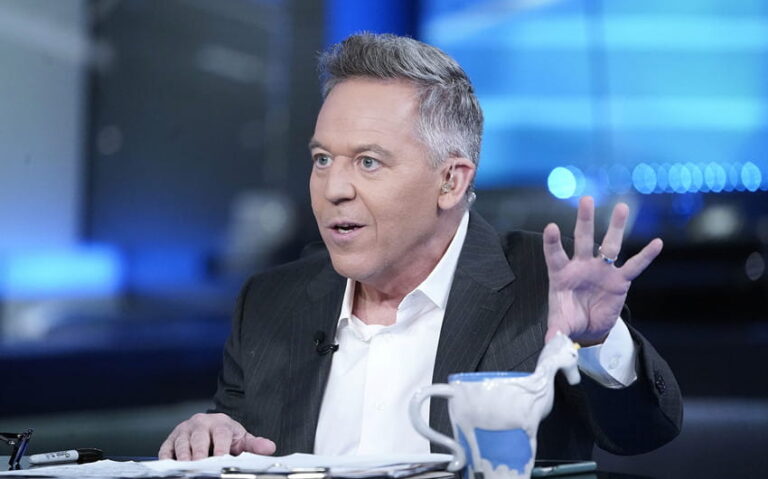
Featured Image Source: https://marketrealist.com/p/doordash-ceo-tony-xu-net-worth/