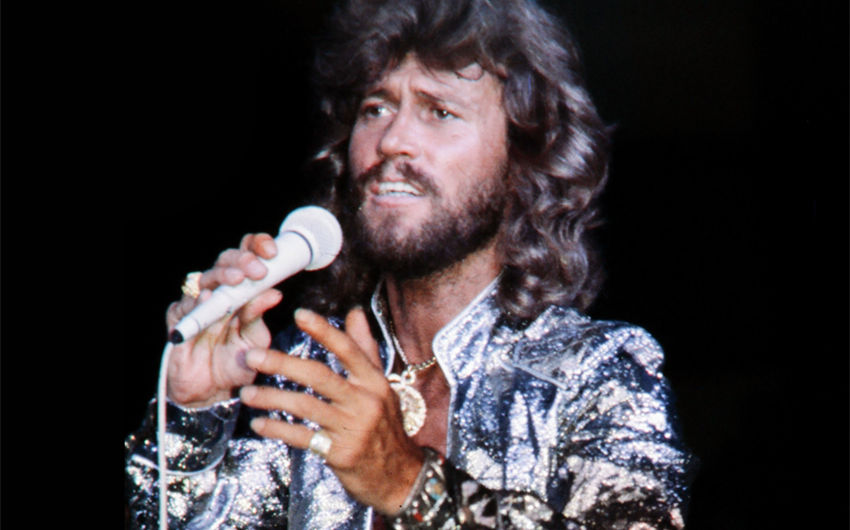
Barry Gibb’s Net Worth: Estimated Fortune and How the Bee Gees Legend Earned It
Barry Gibb’s net worth is often discussed because his income didn’t end when disco faded or radio trends changed. As the Bee Gees’ main songwriter and a lifelong performer, he’s been paid in the ways that matter most in music: ownership, publishing, and royalties that keep flowing as long as the songs keep playing. Today, his estimated net worth is widely reported at about $140 million.
Who Is Barry Gibb?
Barry Gibb is a British singer, songwriter, and producer best known as the surviving member of the Bee Gees, one of the most successful music groups in history. While the Bee Gees were famous for their harmonies and unmistakable falsetto era, Barry’s biggest financial advantage has always been something less visible: he’s been a primary creative engine behind the catalog.
In plain terms, plenty of artists earn well from performing. Far fewer build the kind of wealth that lasts for decades after the peak years. Barry sits in that smaller group because he didn’t only sing the hits—he helped write them, arrange them, and shape them into songs other people still license, stream, cover, and use in films and commercials.
Estimated Net Worth
Estimated net worth: approximately $140 million.
This figure is an estimate, not a verified audited total. But it’s a consistent number you’ll see repeated across well-known celebrity finance trackers, and it matches what you’d expect for a top-tier songwriter with one of the most valuable pop catalogs of the last 60 years.
It also helps to remember what “net worth” means in this context. It isn’t just cash in a bank account. It includes assets—like real estate, investments, and ownership stakes—minus liabilities. For musicians, the most important asset category is often intellectual property: publishing rights, songwriting income, and catalog earnings that behave like a long-term business rather than a one-time paycheck.
Net Worth Breakdown: Where Barry Gibb’s Money Comes From
1) Songwriting royalties (the biggest long-term engine)
If you want the simplest explanation for Barry Gibb’s wealth, start with songwriting royalties. Royalties are the gift that keeps paying—especially when you’ve written globally recognized songs that remain in regular rotation across radio, streaming, and pop culture.
Songwriters can earn money when songs are:
played on radio, streamed on major platforms, performed live, used in TV and film, or licensed for advertising and branding.
Barry Gibb’s advantage is the volume and the durability of the Bee Gees catalog. Many artists have a hit. Barry has a library of hits that keeps getting repackaged for new listeners, rediscovered through movies and documentaries, and streamed by people who weren’t even alive during the disco era.
2) Publishing income and ownership-style earnings
There’s a major difference between being “a performer on a song” and being “an owner of the song.” Publishing is where the serious money often lives, because it’s tied to the composition itself—the underlying work that exists no matter who performs it.
This is one reason Barry’s net worth stays high even when he isn’t touring constantly. The publishing side of music functions like an asset that produces recurring income. When a song becomes a standard, it becomes a financial machine: it can be licensed repeatedly, used in different formats, and monetized across markets without the songwriter needing to record anything new.
3) The Bee Gees catalog and modern monetization
Classic catalogs have become even more valuable in the streaming era. The business logic is simple: massive libraries of beloved music are “always on,” and every stream and placement adds up. That creates a steady baseline of income that tends to be more reliable than the traditional album-cycle model.
Barry’s catalog value also benefits from being culturally “sticky.” The Bee Gees aren’t just a band people remember; they’re a sound that still shows up in playlists, movie soundtracks, sample culture, and nostalgia-driven content. When a catalog remains part of mainstream culture, it keeps generating revenue through multiple channels at once.
Even if you never see a headline about a new Bee Gees release, the catalog can keep working quietly in the background—often producing the kind of consistent earnings that build long-term wealth.
4) Performance income and touring (less frequent now, still meaningful)
Touring is often a huge wealth driver for musicians, but it’s also physically demanding and not always constant in later years. Still, Barry’s live performances and special appearances have historically added real income on top of royalties.
Even limited touring can be financially significant for a legacy act because demand tends to be strong and ticket prices can be premium. Add merchandise revenue, special event fees, and the publicity boost that comes from live shows, and touring becomes both an income stream and a “catalog marketing” tool that helps drive more listening afterward.
5) Producing and writing for other artists
Barry Gibb’s financial story isn’t only Bee Gees music. He has written and produced beyond the group, which matters because writing for other artists can create additional royalty streams. When a songwriter’s work appears across multiple performers and eras, it diversifies income and extends earning power.
This is one of the smartest ways musicians build wealth: they separate their financial life from their personal visibility. Even when they’re not front-and-center in the media, the songs can keep paying because they’re attached to other artists, other releases, and other licensing opportunities.
6) Real estate and long-term investing
At the level of wealth Barry is estimated to have, net worth usually includes significant assets outside music. Real estate is a common category for musicians because it can serve as both a lifestyle choice and a long-term store of value. Over decades, property appreciation can meaningfully add to net worth, especially in high-demand markets.
Investing also matters. A musician who earns millions but spends heavily can end up with far less than expected. A musician who invests steadily—whether through property, diversified portfolios, or other assets—often ends up with a larger, more stable net worth later in life. Because these details are private, you can’t calculate them precisely from the outside, but they help explain why long-running stars can maintain high net worth even when their public activity slows down.