Dr. Seuss Wife Helen Palmer Geisel: Marriage Story, Career, And Lasting Legacy
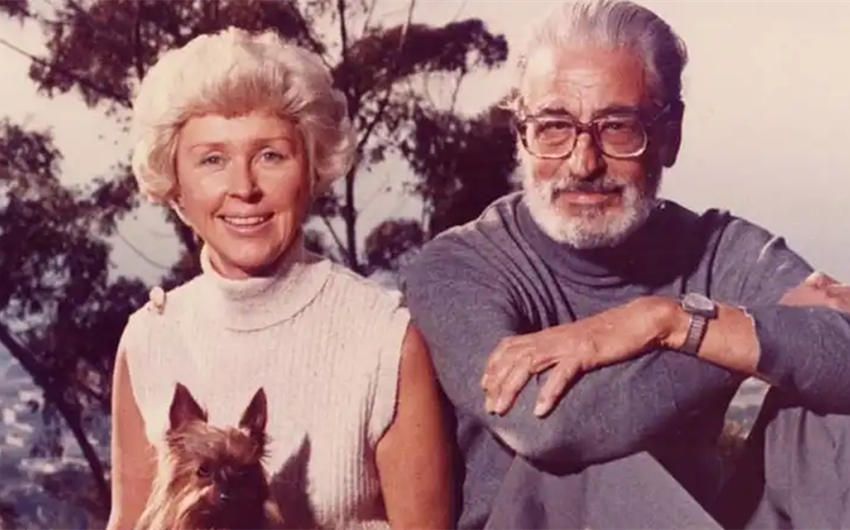
If you’re looking up Dr. Seuss wife Helen, you’re talking about Helen Palmer Geisel—the first wife of Theodor “Ted” Geisel (Dr. Seuss) and one of the most important behind-the-scenes influences on his early career. She wasn’t just “the woman he married.” Helen was an editor, critic, and creative partner who pushed him toward children’s publishing and helped shape the voice that later became famous worldwide.
Quick Facts
- Dr. Seuss’ first wife: Helen Palmer Geisel
- Full name: Helen Marion Palmer
- Married: 1927
- Marriage lasted: Until Helen’s death in 1967
- Helen’s career: Author, editor, lecturer; deeply involved in children’s literature
- Dr. Seuss’ real name: Theodor Seuss Geisel
- Dr. Seuss later remarried: Audrey Stone Geisel (1968)
Who Was Dr. Seuss And Who Was His Wife Helen Palmer Geisel?
Dr. Seuss, born Theodor Seuss Geisel, became one of the most recognizable names in children’s literature—known for playful rhymes, oddball creatures, and stories that feel silly on the surface but often carry serious themes underneath. He wasn’t only a children’s author, either. Early in his career, he worked in advertising and cartooning, building the visual and comedic skills that later became central to his books.
Helen Palmer Geisel was Dr. Seuss’ first wife, and she mattered to his story in a way many people don’t realize until they dig deeper. Helen was educated, ambitious, and creative in her own right. She worked as an author and editor, and she had strong instincts for children’s writing—instincts that helped guide Ted toward the lane where he ultimately became legendary. In many ways, Helen wasn’t just a spouse watching from the sidelines. She was a collaborator who helped sharpen his work, encouraged his direction, and believed in his potential long before the world did.
Who Was Helen Palmer Geisel?
Helen Palmer (later Helen Palmer Geisel) was a writer and editor with a strong connection to children’s books and publishing. She was known for having a sharp editorial eye and a direct, no-nonsense approach—exactly the kind of person who could look at a creative idea and say, “This works,” or “Try again,” without sugarcoating it.
She also had her own professional identity beyond being married to a famous author. Helen wrote and contributed to children’s literature and maintained a presence in the literary and educational world. That matters because it explains why she was such a powerful influence on Ted’s creative direction. She wasn’t simply “supportive.” She understood the industry and understood how to shape ideas into something publishable.
When people talk about “great partnerships,” this is the kind that often gets overlooked: one person becomes the visible icon, and the other becomes the steady force helping steer the ship in its earliest, most fragile stages.
How Dr. Seuss Met Helen Palmer
Helen and Theodor Geisel met during their early adult years, when both were connected to academic and literary circles. Ted was still building his identity as a writer and cartoonist. Helen, with her strong publishing instincts and intellectual confidence, became someone whose opinion carried real weight in his life.
What’s interesting is that their relationship formed before “Dr. Seuss” became the brand you recognize today. That means their bond wasn’t based on fame. It was based on potential—on the belief that Ted could become something bigger creatively, and on the work it took to get there.
When They Married
Dr. Seuss married Helen Palmer in 1927. Their marriage lasted for decades, spanning the messy, uncertain early years of creative life and the later years when his success became undeniable.
This timeline matters because it places Helen in the center of Dr. Seuss’ rise. She was there when he was still experimenting. She was there when he was working in advertising. She was there as his children’s books started to take shape into the style that would define his legacy.
Helen’s Influence On Dr. Seuss’ Career
If you only know Dr. Seuss as the man who wrote The Cat in the Hat and Green Eggs and Ham, it’s easy to miss how long his path was—and how much early encouragement mattered. Helen’s influence is often described in a few key ways:
1) She Was An Early Editor And Honest Critic
Many creative people need someone who can be honest without being cruel. Helen is frequently portrayed as that person for Ted. She could look at his writing and art and help refine it, not just praise it. That kind of feedback is gold, especially early in a career when confidence can be fragile.
2) She Helped Point Him Toward Children’s Publishing
Helen had a strong sense of what could work in children’s literature. While Ted had the imagination and humor, Helen had the publishing awareness and the instinct to see where his style fit best. It’s one thing to be talented. It’s another thing to aim that talent in the right direction.
3) She Helped Build Stability Around A Creative Life
Creative careers are unpredictable. Early success isn’t guaranteed. Publishing can be slow and discouraging. A spouse who believes in the work—and helps keep life organized enough for the work to happen—can be the difference between someone quitting and someone pushing through.
To be clear, Dr. Seuss’ genius was his own. But Helen’s presence helped shape the conditions that allowed that genius to develop, sharpen, and find the audience it deserved.
Did Dr. Seuss And Helen Have Children?
No—Dr. Seuss and Helen did not have children together. This is a detail many people find surprising because his work became so closely associated with childhood and family reading.
It’s also part of what makes the story interesting: Dr. Seuss became an icon of children’s literature without being a traditional “children’s author dad” figure at home. Instead, the children’s world he created came from imagination, language play, observation, and the influence of people like Helen who understood children’s publishing deeply.
The Harder Part Of Their Story: Helen’s Health And Personal Struggles
Helen’s life included serious personal challenges, including long-term health issues. Over time, those struggles affected her emotional well-being. This is where the “biography” story turns heavy, because the end of Helen’s life is widely known as tragic.
Helen died in 1967. Many accounts describe her death as a suicide, and it is often discussed in the context of her illness and emotional pain. It’s a deeply sad chapter—especially because she had been such an important figure in Ted’s life and work for decades.
When people search Dr. Seuss wife Helen, they often aren’t expecting that heaviness. They assume it’s a simple “who was she” question. But Helen’s story is not simple. It includes creativity and partnership, but also suffering and loss.
Dr. Seuss’ Life After Helen And His Second Marriage
After Helen’s death, Dr. Seuss later married Audrey Stone Geisel in 1968. Audrey became his second wife and remained connected to his legacy for the rest of his life.
This detail is relevant because people sometimes confuse the two women when searching online. Helen was his first wife—the early-career partner, editor, and major influence. Audrey was his second wife—the later-life partner who became closely associated with managing and protecting his legacy after his death.
If you’re trying to keep it clear: Helen was the foundational chapter; Audrey was the later chapter.
Why Helen Palmer Geisel Still Matters Today
Helen’s role still matters because it changes how you understand Dr. Seuss’ success. People love the myth of the lone genius. But real creative greatness is often built inside relationships—through feedback, encouragement, argument, refinement, and shared belief.
Helen also represents something bigger: the invisible labor behind famous work. The truth is, many iconic careers were shaped by partners who edited drafts, gave honest critique, handled logistics, encouraged direction changes, and carried emotional weight that the public never sees.
Helen Palmer Geisel is one of those people. Her name isn’t printed on the covers of the books the way “Dr. Seuss” is, but her influence is part of why those books exist the way they do.
The Bottom Line
If you searched Dr. Seuss wife Helen, the answer is Helen Palmer Geisel, his first wife and an important creative influence in his early career. They married in 1927, shared decades together, and did not have children. Helen was a writer and editor who helped guide Ted toward children’s publishing and supported his growth into the author the world now celebrates. Her story also includes serious personal struggles, and she died in 1967. Understanding Helen helps you see Dr. Seuss not just as a solo legend, but as a man whose work was shaped—especially early on—by a powerful partnership.
Featured image source: https://www.goalcast.com/dr-seuss-wife-helen-palmer-audrey-geisel/