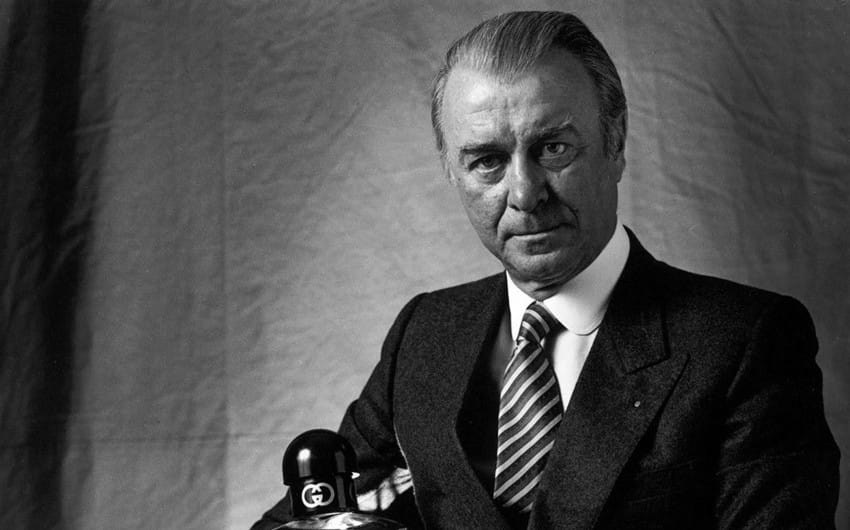
Guccio Gucci Net Worth Explained and the Gucci Empire Today
If you’re searching guccio gucci net worth, you’re probably trying to answer a deceptively tricky question: how rich was the man who founded Gucci, and what would that wealth look like in today’s money? The honest answer is that Guccio Gucci’s personal net worth was never publicly documented in a modern “celebrity net worth” way, and he died long before luxury brands became global mega-corporations. But you can build a realistic picture by looking at what he owned, what the company was at the time of his death, and how founder wealth works when a family business grows into a worldwide icon.
Who Guccio Gucci was and why his net worth is hard to pin down
Guccio Gucci (born in 1881, died in 1953) was the Italian entrepreneur who created what became one of the most recognizable luxury brands on Earth. He wasn’t just a designer in the modern influencer sense—he was a craftsman and business builder who understood leather goods, travel culture, and status symbols before “branding” was even a buzzword.
Here’s why his personal wealth is difficult to calculate today:
- He lived in an era with far less public financial disclosure.
- Gucci was a private, family-run company during his lifetime.
- There were no public stock filings showing company valuation or his exact ownership stake.
- “Net worth” wasn’t tracked and published like it is for modern CEOs and celebrities.
So if you’re looking for one verified number, it doesn’t exist. What you can get is a grounded estimate based on what his business likely generated and what founders typically owned.
A realistic estimate of Guccio Gucci net worth
A reasonable estimate for Guccio Gucci’s net worth at the time of his death (1953) is often placed in the low millions in 1950s dollars, which could translate to tens of millions in today’s money depending on the inflation measure you use.
If you want a practical range you can repeat without overpromising certainty, this is a fair way to frame it:
- Estimated net worth in 1953: roughly $1 million to $5 million
- Rough modern equivalent: approximately $10 million to $60+ million today
That range is intentionally wide because precision would be fake. But it reflects a wealthy founder of a growing luxury house—not a modern billionaire.
Why founder wealth didn’t look like modern luxury billions
When you hear “Gucci,” you probably picture massive global revenue, celebrity endorsements, runway shows, and billion-dollar valuations. That’s the Gucci empire you know today.
But during Guccio’s life, Gucci was:
- A high-end leather goods business with strong reputation
- Growing into international recognition
- Still nowhere near the scale of modern luxury conglomerates
The billionaire era of luxury—where brands became global machines powered by mass marketing, worldwide retail expansion, and big acquisitions—accelerated later. Guccio built the foundation, but he didn’t live long enough to see Gucci become the kind of multinational powerhouse that would create billionaire-level ownership wealth.
How Guccio Gucci built his money
To understand guccio gucci net worth, you need to understand what actually made him wealthy. His money wasn’t from “fame.” It came from building a business that sold expensive, high-quality goods to the right customers.
Luxury leather craftsmanship as the core product
Guccio’s business centered on leather: luggage, bags, belts, and accessories—items tied to travel and status. This wasn’t mass production at first. The products gained value through craftsmanship and scarcity, which let Gucci charge premium prices.
That premium pricing is a key reason founders in luxury can become wealthy. Your margins can be stronger when your customers pay for identity and quality—not just utility.
A smart read on wealthy travelers
One of the most important parts of his story is that he understood the culture of luxury travel. Travelers wanted durable, beautiful goods that signaled taste. Guccio built a brand that fit that lifestyle, which meant he wasn’t just selling leather—he was selling the feeling of sophistication.
Brand identity before “brand identity” was mainstream
Guccio was early to what you’d call “luxury codes.” Signature looks, recognizable design elements, and a consistent aesthetic make products feel collectible. That brand discipline helps wealth because it creates repeat customers and long-term demand.
What Guccio likely owned and how that affects net worth
In a family business, net worth usually comes down to two things:
- How much of the company you own
- How profitable the company is
Guccio Gucci was the founder, so it’s reasonable to assume he owned a major stake—especially early on. But as the company expanded, family roles grew, and the next generation became involved, ownership and control began to split across family lines.
That’s important because people often confuse two different ideas:
- “Guccio founded Gucci”
- “Guccio owned what Gucci is worth today”
Those are not the same thing. Founder ownership often gets divided among heirs, and later decades can include sales, disputes, and ownership changes. Even if Guccio owned most of the company during his life, that does not mean his wealth equals modern Gucci’s value.
Gucci the brand vs Guccio Gucci’s net worth
This is the biggest confusion online. People see “Gucci is worth billions” and assume the founder must have been worth billions too.
Here’s the clean way to separate it:
- The brand (Gucci) became worth billions later, especially after global expansion and corporate ownership.
- Guccio Gucci’s personal net worth was tied to the company’s size in the first half of the 20th century, which was far smaller.
You can think of him like someone who founded an early-stage version of a huge modern tech company. The founder might be rich for their era, but they’re not automatically a billionaire—especially if they died before the company hit its global peak.
Family conflict and why it matters to the “net worth” story
Gucci’s history after Guccio includes intense family conflict, power struggles, and ownership shifts over time. Even if you don’t care about drama, this matters because it affects how founder wealth gets preserved—or fragmented—across generations.
When a company stays within a family, wealth can be diluted:
- Siblings split shares
- Heirs inherit portions
- Internal conflict can force sales or restructuring
- Ownership can move away from the family entirely
So if you’re looking for a straight line from Guccio’s bank account to modern Gucci’s valuation, that’s not how it played out.
How you should talk about Guccio Gucci’s wealth without spreading myths
If you’re writing a blog post or explaining this to someone else, the most credible approach is to avoid dramatic numbers and stick to what’s realistic:
- Guccio Gucci was wealthy for his time.
- His net worth was likely in the low millions when he died.
- In today’s money, that could be tens of millions.
- The Gucci brand’s later billion-dollar scale does not equal Guccio’s personal wealth.
That framing keeps you accurate and avoids the common internet trap of turning every famous founder into a “secret billionaire.”
What Guccio’s real legacy is, financially and culturally
Even if you never land on a perfect net worth number, Guccio’s financial legacy is enormous in another way: he created an asset that outlived him.
When you build a luxury house that becomes a global symbol, you’ve done something few entrepreneurs ever achieve. His real “wealth” wasn’t just cash or property—it was the creation of a name that became shorthand for prestige.
And if you’re thinking about it in a modern entrepreneurial way, there’s a lesson in that:
- Products matter, but identity matters more.
- Consistency builds trust.
- A brand can become an asset bigger than any one person.
The bottom line on guccio gucci net worth
If you came here looking for a clear estimate, here’s the most responsible answer: Guccio Gucci’s net worth was likely in the low millions at the time of his death in 1953, which would roughly translate to tens of millions in today’s money. The Gucci brand later grew into a billion-dollar luxury powerhouse, but that modern scale is not the same as Guccio’s personal wealth.
Featured image source: Pinterest