The Life and Rise of Ilhan Abdullahi Omar: A Story of Resilience, Identity, and Leadership
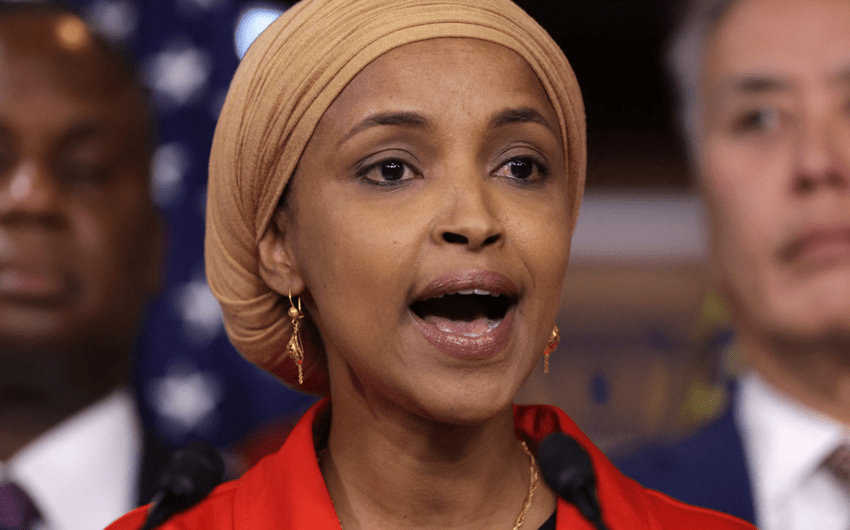
Ilhan Abdullahi Omar’s name has become synonymous with transformation, representation, and the power of perseverance. Her journey from a childhood shaped by civil war to becoming one of the most influential members of the United States Congress is more than a political milestone—it is a story that helps reshape how people view refugees, immigrants, and the American dream itself. Many people know her for her position, but fewer understand the depth of her early struggles, the complexity of her path, and the values that shaped who she is today. This long-form article explores her background, her rise, and the personal strength behind the public figure.
Early Childhood in Somalia
Ilhan Omar was born on October 4, 1982, in Mogadishu, Somalia. She was the youngest of seven children in a family that valued education, debate, and political awareness. Her father, a teacher and later a civil servant, and her grandfather, a well-read and respected elder, played powerful roles in teaching her to question ideas, think critically, and stand confidently in her beliefs. Growing up in Somalia during a time of rising political instability gave Ilhan an early understanding of how fragile peace can be—and how deeply it matters to fight for fairness and justice.
At the age of eight, her life changed dramatically. Civil war forced her family to flee the country. They lost their home, their security, and the everyday comforts they once knew. What followed was a four-year period in a refugee camp in Kenya. Those living conditions were harsh. Food was limited, resources were uncertain, and the environment was filled with disease and overcrowding. Yet Ilhan has often said that even in the midst of difficulty, her family created a sense of community, teaching her that hope can survive even in places of fear.
Arriving in the United States
In 1995, Ilhan Omar’s family was approved for resettlement in the United States. They arrived first in New York before eventually making their way to Arlington, Virginia. Adjusting to a completely new world was difficult. Ilhan had to learn English quickly, navigate unfamiliar surroundings, and adapt to American culture. Her father worked multiple jobs to support the family, and Ilhan often helped translate documents and conversations even as a child. These early language responsibilities planted the seeds of her interest in communication and advocacy.
A few years later, the family moved again—this time to Minneapolis, Minnesota. The city’s large East African community provided a sense of familiarity and belonging. For the first time since Somalia, Ilhan felt she had a place where she could grow without constantly feeling like an outsider. Even so, school in Minnesota came with its own challenges. Ilhan was bullied for her appearance, her accent, and her hijab. Instead of letting those experiences silence her, she used them to strengthen her understanding of identity and build empathy toward others facing discrimination.
Education and Early Passion for Civic Engagement
As she matured, Ilhan became increasingly interested in politics, advocacy, and public service. She attended Edison High School in Minneapolis, where she developed a reputation as someone unafraid to speak up for herself and others. She continued her education at North Dakota State University, earning a degree in political science and international studies. During this time, she also worked as an educator, translator, and community organizer—roles that shaped her leadership style and deepened her understanding of immigrant experiences.
Throughout her early adult years, Ilhan became a visible presence in Minneapolis as she participated in political campaigns, community events, and educational programs. She served in roles that connected families to resources and helped immigrants navigate life in a new country. Those early experiences gave her firsthand knowledge of the challenges faced by new Americans, including language barriers, economic uncertainty, and cultural adjustment.
Her First Steps Into Political Life
Although she was not born in the United States, Ilhan Omar grew up believing deeply in the power of democracy. Her first major public recognition came when she worked as a policy aide in the Minnesota legislature. Within that position, she gained insight into how government operates, how laws are shaped, and how political decisions affect everyday lives. These behind-the-scenes experiences inspired her to begin considering an elected career of her own.
In 2016, Ilhan made a decision that would change the trajectory of her life. She ran for a seat in the Minnesota House of Representatives. Her campaign emphasized inclusion, opportunity, and the belief that government should reflect the diversity of the people it serves. Her message resonated widely. When she won the election, she made history by becoming the first Somali-American legislator in the United States.
From Minnesota to Washington: A National Breakthrough
Her 2016 victory laid the foundation for a far larger one two years later. In 2018, Ilhan Omar ran for the U.S. House of Representatives from Minnesota’s 5th District—a district known for civic engagement and cultural diversity. Her platform focused on healthcare reform, education access, economic fairness, criminal justice reform, and support for immigrant communities. Her campaign’s grassroots energy helped her gain national attention.
When she won the election, Ilhan became one of the first two Muslim women ever elected to Congress and the first Somali-American to serve in the U.S. House. Her presence in Washington symbolized breaking multiple barriers at once—race, religion, gender, and immigration. She quickly became one of the most recognizable and discussed figures on Capitol Hill.
Advocacy, Values, and Political Identity
Ilhan Omar’s political identity is deeply influenced by her past. She advocates for policies that prioritize fairness, social welfare, economic equity, and human rights. Her lived experiences as a refugee inspire her focus on global justice, peace efforts, and humanitarian causes. She is also outspoken on issues involving civil rights, systemic racism, and anti-discrimination protections.
Her strong positions make her one of the most vocal progressives in Congress. She has introduced and supported legislation on climate action, affordable housing, healthcare accessibility, and student debt relief. Her voice often represents communities that historically lacked representation—immigrants, low-income families, people of color, and religious minorities.
Facing Criticism, Controversy, and Public Pressure
Like many politicians who break barriers, Ilhan Omar has faced both admiration and intense criticism. Her background, religious identity, and outspoken nature make her a target for political opponents. At times, she has found herself at the center of heated debates, misinterpretations, and public scrutiny. She has also been subject to threats, misinformation campaigns, and harsh rhetoric from critics who disagree with her policies or oppose her presence in national politics.
Despite the challenges, she continues to stand firm in her values. She approaches criticism with a sense of purpose, arguing that representation often comes with pressure—and that pressure is worth enduring for the sake of progress.
Family Life and Personal Strength
Outside of Congress, Ilhan Omar is a mother and a woman who values family deeply. Her personal journey as a parent influences her understanding of issues like childcare, education, and community support. She has spoken openly about the importance of balancing her political responsibilities with family time and the grounding effect motherhood has on her life.
Her experiences as a child fleeing conflict and as a mother raising children in a complex world help shape her emotional resilience. Her personal story is not only one of political achievement but of navigating cultural identity, faith, and generational responsibility.
Why Her Story Matters
Ilhan Abdullahi Omar’s journey offers a powerful example of what is possible when perseverance meets opportunity. Her life reflects the experiences of many refugees who rebuild their identities in new countries while carrying the weight of their past. It also reflects the evolving landscape of American politics, where voices from diverse backgrounds increasingly shape national conversations.
Her story is far more than headlines or political debates. It is about a young girl who lost everything, rebuilt her life in a new country, and rose to become one of the most influential lawmakers in the United States. Her presence in Congress signals that leadership can come from unexpected places—and that lived experiences matter as much as education or political lineage.
Final Thoughts: A Legacy Still Taking Shape
Ilhan Omar’s life is still unfolding, and her impact continues to grow. Whether through policy work, advocacy, or symbolic representation, she continues to inspire people who see parts of themselves in her journey. Her commitment to justice, equity, and community ensures that her voice will remain influential for years to come.
From refugee camp to Capitol Hill, Ilhan Abdullahi Omar’s story remains a powerful testament to resilience, hope, and the possibility of redefining what leadership looks like in America. Her journey shows that transformation is possible, representation matters, and the voices of those once unheard can rise to shape the future.
image source: https://www.livemint.com/news/india/ilhan-omar-condemns-khalistani-terrorist-hardeep-singh-nijjars-death-shiv-sena-mp-asks-jaishankar-to-start-enquiry-11695796647280.html