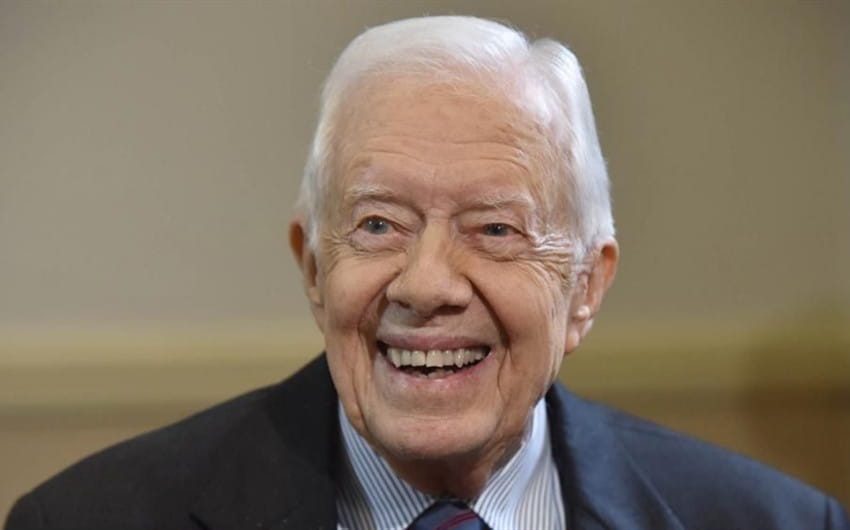
Jimmy Carter Net Worth: How the Former President Built Modest Wealth Over Decades
People often assume every former president leaves office incredibly rich, but Jimmy Carter net worth tells a different story. Carter spent decades earning money in ordinary ways—through books, a government pension, and careful living—while also dedicating huge amounts of time to public service after the White House. Even at the end of his life, his finances were widely described as comfortable but not extreme, especially compared to modern political and celebrity fortunes.
Jimmy Carter at a glance (age, height, family, and background)
- Full name: James Earl Carter Jr.
- Age: 100 at the time of his death (died December 29, 2024)
- Height: commonly listed around 5’9.5″ (approximate)
- Spouse: Rosalynn Carter (married 1946 until her death in 2023)
- Children: 4 (Jack, Chip, Jeff, and Amy)
- Known for: 39th President of the United States, humanitarian work, and decades of post-presidency service
Carter was famously rooted in Plains, Georgia, and he kept that small-town identity even after becoming one of the most recognizable leaders in the world. That same “live simply” mindset shaped how he handled money, property, and lifestyle choices for the rest of his life.
Jimmy Carter net worth: the most realistic estimate
Most widely repeated estimates put Jimmy Carter’s net worth at around $10 million at the time of his death, with some sources placing him slightly below or above that figure. The exact number is impossible to confirm publicly because private bank accounts, investment statements, and detailed estate documents are not released in real time. Still, the general agreement is that his wealth was modest for a former president, especially when compared with politicians who built massive business empires or turned post-office fame into high-priced speaking careers.
It also helps to understand what “net worth” actually means. Net worth is not just income. It’s the total value of what someone owns (cash, property, investments) minus what they owe (debts, obligations). Carter’s net worth reflects decades of steady earning and saving more than any one giant payday.
Why Carter’s wealth was considered “modest” compared to other presidents
Jimmy Carter is often described as one of the least “luxury-driven” modern presidents. After leaving office, he did not move into a mega-mansion or turn his post-presidency into a nonstop paid speaking circuit. He and Rosalynn continued living in a simple home in Plains, and his public image stayed tightly connected to humility and service.
That choice matters. A president can become extremely wealthy after office if they chase the highest-paying lanes: major corporate boards, global speaking tours, large licensing deals, and big consulting arrangements. Carter’s path leaned harder toward writing, charitable work, and public service—valuable in impact, but not always the fastest route to explosive wealth.
Where Jimmy Carter’s money came from
Carter’s financial story is best understood as a combination of several steady income streams that added up over time.
1) Book deals and publishing income
One of the most important pillars of Carter’s wealth was writing. He was not a “one memoir and done” president—he was a prolific author who kept publishing for decades. Book income can be powerful because it arrives through advances, royalties, foreign rights, audiobook deals, and ongoing backlist sales. The bigger your catalog becomes, the more your older books can keep earning quietly.
Carter wrote across many topics—faith, politics, diplomacy, memoir, history, and even poetry and children’s books. That range kept him relevant to different audiences and helped his writing remain a long-term revenue source rather than a single-season event.
2) Presidential pension and federal benefits
After leaving the White House, former presidents are eligible for a pension and other support under U.S. law. The pension is tied to the salary level of a Cabinet secretary, meaning it has increased over time. For a former president who lives a relatively modest lifestyle, that pension can cover a meaningful portion of annual living costs.
This doesn’t mean Carter lived “off the government” in a flashy way. It means he had a stable baseline income in retirement—one of the practical reasons he could focus more on service work without needing to chase the largest private paydays.
3) Investments, savings, and long-term financial discipline
Even if someone earns millions, long-term wealth usually comes down to what they keep, not what they make. Carter’s reputation suggests a cautious, disciplined approach to money. He wasn’t known for extravagant spending, and he didn’t build a public brand around luxury. A calm lifestyle makes it easier to save, invest, and preserve wealth across decades.
Investments also don’t need to be glamorous to be effective. Conservative portfolios—retirement accounts, basic market investments, and careful real estate decisions—can build meaningful net worth over a long life, especially for someone who continues earning income through writing and public work.
4) The family business background and the “peanut farm” misunderstanding
Carter’s pre-presidency identity is often reduced to “peanut farmer,” but the reality was more complex. He worked in the family business and community, and his background was tied to agriculture and local business responsibilities. People sometimes assume that means he stayed wealthy from farming alone. In truth, farming is not a guaranteed path to riches, and Carter’s post-presidency wealth is far more connected to writing and retirement benefits than to any romantic idea of “farm money.”
The farming image matters, though, because it explains how he approached life: practical, grounded, and not obsessed with status. That mindset tends to protect wealth because it avoids the spending traps that destroy fortunes.
What about the Carter Center and charitable work?
Jimmy Carter’s legacy is deeply tied to humanitarian work, especially through the Carter Center. But it’s important to keep the financial categories separate: the Carter Center is not “Jimmy’s personal bank account.” Nonprofit organizations have their own structures, reporting obligations, and mission-based spending. Carter’s public role and influence helped drive attention and support for causes, but that does not automatically translate into personal net worth.
In fact, one reason Carter’s personal wealth is often viewed as modest is that he poured so much time and energy into service work that doesn’t pay like corporate speaking circuits do. His value was measured more in impact than in cash.
Jimmy Carter’s marriage, children, and family life
Carter’s family life was one of the most stable and long-lasting in modern American politics. He and Rosalynn Carter married in 1946 and remained together for more than seven decades. Rosalynn died on November 19, 2023, and Jimmy died a little over a year later, on December 29, 2024.
They had four children:
- Jack Carter (often connected to business and public life)
- James “Chip” Carter
- Jeff Carter
- Amy Carter (well-known to the public because she lived in the White House as a child)
Financially, long marriages like theirs often mean shared decisions, shared property, and shared values. Carter and Rosalynn were known for choosing a relatively simple lifestyle, and that consistency likely helped preserve wealth rather than drain it.
How Jimmy Carter’s net worth compares to other famous figures
It’s easy to compare Carter to modern celebrities and assume he should be worth far more. But presidents earn most of their “big money” after office only if they treat their post-presidency like a high-paying commercial brand. Carter didn’t fully play that game, at least not in the most aggressive way.
Instead, he built a kind of wealth that looks quieter:
- steady writing income over decades
- a reliable retirement pension
- modest property and practical spending
- a long financial runway instead of a short “cash explosion”
In many ways, his net worth number tells you less about his earning power and more about his priorities. He could have leaned harder into high-dollar opportunities, but his public life suggests he valued independence, privacy, faith, and service more than luxury.
Did Jimmy Carter earn money from awards or honors?
Carter received many major honors, including a Nobel Peace Prize for his post-presidency humanitarian efforts. Awards can come with visibility and sometimes money, but they don’t usually change net worth the way long-term publishing or business ownership does. The strongest “wealth builder” in Carter’s later life remained his writing catalog and the steady income that came with it.
What happened to Jimmy Carter’s money after his death?
Like most public figures, Carter’s assets would typically be handled through an estate plan—often involving heirs, trusts, and legally structured distributions. Those details are not usually public unless they become part of a court filing or a widely released family statement. What’s most likely is that his estate reflected the values he lived by: modest property, carefully managed assets, and a legacy that prioritized service over extravagance.
It’s also worth noting that public interest in “net worth” can sometimes miss the real point. Carter’s greatest “wealth” wasn’t measured in cash. It was measured in longevity, credibility, and the lasting impact of decades of humanitarian work.
Bottom line: Jimmy Carter net worth and what it really meant
Jimmy Carter’s net worth is most commonly estimated at around $10 million at the time of his death, built through a long writing career, presidential retirement benefits, and disciplined living. He didn’t chase the flashiest post-presidency money moves, and that’s part of why his number looks smaller than many people expect. But his financial story matches his public identity: steady, practical, and focused on living with purpose rather than proving wealth.
image source: https://www.bbc.com/news/articles/clyldnlrnxdo