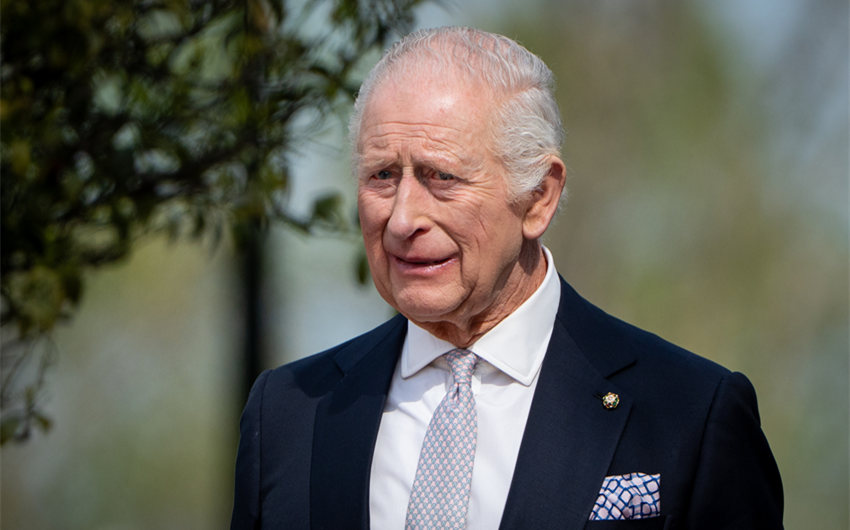
King Charles Net Worth Estimate and Breakdown of His Royal Wealth Sources
When you search king charles net worth, it’s easy to get confused by the numbers because royal money doesn’t work like a typical celebrity bank account. King Charles III has a personal fortune that can be estimated, but he is also connected to enormous “Crown” assets that many people assume he privately owns. He doesn’t. Those institutional assets exist to support the monarchy’s official role and are managed under a separate structure. Once you separate personal wealth from institutional wealth, the net worth conversation becomes much clearer.
Quick Facts
- Name: King Charles III
- Role: Monarch of the United Kingdom
- Most-cited personal wealth estimate: roughly £610 million to £640 million
- Key recurring income source: The Duchy of Lancaster
Who Is King Charles III?
King Charles III is the reigning monarch of the United Kingdom. He became king in September 2022 after the death of Queen Elizabeth II, following decades in public life as the Prince of Wales. Long before he ascended the throne, he was known for high-profile interests in the environment, architecture, and charitable work. As monarch, his role is constitutional and symbolic, but it also comes with a complex financial framework that blends personal assets with institutional funding tied to the monarchy.
That complexity is exactly why net worth headlines can mislead you. A king can be “worth” hundreds of millions personally while being linked to institutions and estates valued in the billions—without actually owning those assets in the normal private sense.
Estimated King Charles Net Worth
Estimated personal net worth range: £610 million to £640 million
This range is widely reported by UK wealth-list coverage and is intended to reflect King Charles III’s personal fortune, not the value of royal assets held for the nation or for the institution of the Crown. You’ll sometimes see U.S. dollar conversions, but those can fluctuate because exchange rates change. The more important point is the structure behind the estimate: it generally reflects private inheritances, private estates, investments, and income tied to the Duchy of Lancaster.
It’s also worth saying plainly: no one outside the royal household’s private financial management can confirm an exact number. This is why the best interpretation is a range rather than a single “perfect” figure.
Breakdown: Where King Charles’s Wealth Comes From
Private inheritances and privately owned estates
A major slice of King Charles’s personal wealth comes from private assets passed down through the royal family. This is where many of the most valuable “personal wealth” headlines originate. Private estates and privately held investments can be included in personal net worth in a way that institutional royal properties cannot.
Some royal residences are commonly discussed as private family holdings, while others are clearly tied to the role of the monarch and maintained as part of the state-supported institution. This is the first big dividing line: if it’s privately owned and inherited like family property, it can contribute to personal wealth; if it’s maintained for official duties, it usually falls under a different structure.
What makes this category difficult to quantify publicly is that valuations depend on private appraisals, property market conditions, and how assets are structured. In other words, you can reasonably say “private inherited assets are a major pillar,” but you can’t responsibly claim a precise number for each item without official disclosures.
The Duchy of Lancaster income
The Duchy of Lancaster is one of the clearest recurring income sources tied directly to the monarch. It is a portfolio of assets and land that generates an annual surplus payable to the monarch’s Privy Purse. Think of it as a long-running estate business that helps fund the monarch’s private and official needs in a way that is separate from purely taxpayer-funded operations.
Here’s the nuance: the Duchy’s income is often discussed as if it’s “personal spending money,” but in practice it’s more complicated. The monarch’s public role comes with expectations and costs, and royal finances often blend household support, staffing, and institutional obligations. Still, as a wealth driver, the Duchy of Lancaster is one of the most consistent and understandable pieces of the puzzle because it is specifically associated with the sovereign and produces regular income.
It also matters for net worth because recurring income strengthens long-term financial stability. A large private fortune is one thing; a reliable annual surplus is another, because it can support ongoing expenses while allowing private assets to remain invested rather than constantly sold off.
The Crown Estate and why it’s not “his money”
The Crown Estate is one of the biggest sources of confusion in the King Charles net worth conversation. People see headlines about the Crown Estate generating massive profits and assume that means the monarch is personally collecting billions. That’s not how it works. The Crown Estate is managed as part of the Crown’s “public” estate and its profits go to the UK Treasury. In return, the monarchy receives funding through a separate mechanism (the Sovereign Grant) to support official duties.
So even though the King is linked to the Crown Estate by virtue of being monarch, it’s not treated like a private portfolio he can sell off, invest freely, or cash out. That distinction is why credible net worth estimates focus on private inheritances and private estates rather than simply adding Crown Estate value to a personal net worth total.
The Sovereign Grant
The Sovereign Grant is the official funding mechanism that supports the monarchy’s working operations: staff, official travel, property upkeep for occupied royal palaces, and the expenses associated with carrying out public duties. This funding is not typically counted as personal net worth because it exists to finance the institution and its responsibilities. A helpful way to understand it is to think of it as an operating budget rather than private wealth.
This is where a lot of inflated “net worth” claims quietly go wrong. They treat official institutional funding like personal income, when it’s better understood as financing for a national institution with strict expectations attached. Even when the numbers are large, they are not the same as private assets that the monarch can simply liquidate or use without purpose.
Private investments, collections, and other assets
Like many ultra-wealthy individuals, King Charles’s personal fortune likely includes investment holdings and high-value assets that aren’t neatly listed on a public statement. This can include diversified investments, valuable collections, and other privately held assets that can change in value over time. This is one of the reasons net worth estimates are reported as ranges: the underlying asset values are not fully transparent, and market conditions can shift valuations significantly from one year to the next.
This category is also where long-term wealth can quietly grow. If you combine private inheritance with disciplined asset management, your net worth can rise even without dramatic public-facing “new income.” That’s why some estimates show increases year to year even when the public doesn’t see a corresponding “salary raise” story.