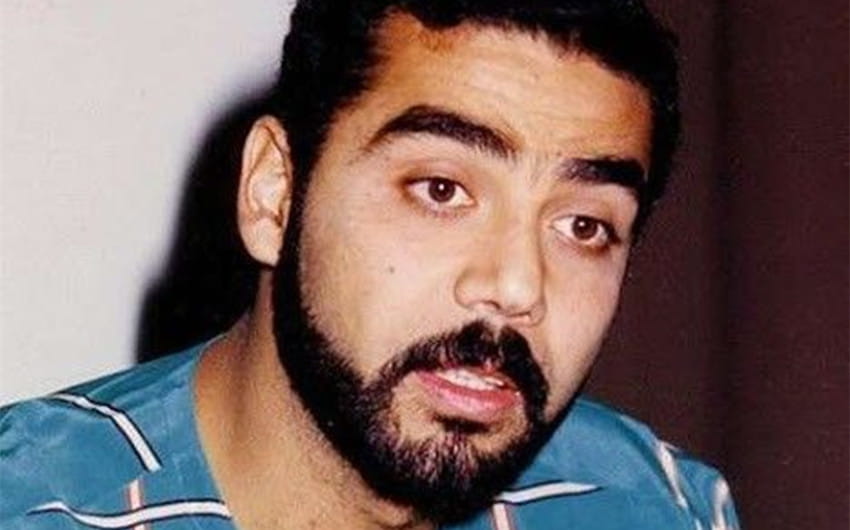
Uday Hussein Wife Saja al-Tikriti: Marriage Abuse Allegations and Historical Reality
When you search uday hussein wife, you’re stepping into a subject shaped as much by fear and power as by documented history. Unlike many political figures whose marriages are clearly recorded, Uday Hussein’s marital status remains disputed because his relationships were brief, violent, and often dissolved almost as quickly as they were arranged. The name most consistently associated with the title of “wife” is Saja al-Tikriti, his cousin and the daughter of Barzan Ibrahim al-Tikriti. Even that marriage, however, lasted only a matter of months and ended amid serious allegations of abuse.
Why Uday Hussein’s marital history is unusually unclear
Understanding Uday Hussein’s marriages requires you to understand the environment he lived in. Saddam Hussein’s Iraq was a dictatorship where image, loyalty, and family alliances mattered more than personal happiness. Marriages among the ruling elite were often arranged to reinforce power structures rather than form genuine partnerships.
Uday himself was feared even within Saddam’s inner circle. That fear shaped how people spoke about him, how information was recorded, and how quickly relationships unraveled. As a result, historians and former regime insiders often disagree on whether some of his marriages were ever fully consummated or legally finalized.
Saja al-Tikriti and the 1984 arranged marriage
The most widely cited marriage linked to Uday Hussein was to Saja al-Tikriti, his cousin and the daughter of Saddam’s half-brother Barzan Ibrahim al-Tikriti. The marriage was arranged in 1984, primarily as a demonstration of family unity and loyalty within the ruling Tikriti clan.
From the regime’s perspective, the match made sense. Barzan was one of Saddam’s most powerful and trusted relatives, serving in senior intelligence roles. A marriage between their children symbolized consolidation at the very top of Iraqi power.
From a personal standpoint, however, the union was reportedly disastrous almost immediately.
Why the marriage ended so quickly
Multiple accounts from defectors, former aides, and later historians agree on one central point: the marriage between Uday Hussein and Saja al-Tikriti was extremely short-lived, with estimates ranging from three to six months.
The primary reason cited for the breakup is Uday’s violent and abusive behavior. Reports describe severe physical abuse, including beatings so serious that Saja allegedly feared for her life. Within months, she sought a divorce and fled Iraq, joining her father in Geneva, where Barzan was living at the time.
What’s notable here is not just the abuse allegations, but how quickly the marriage ended despite the political cost. In Saddam’s Iraq, dissolving a dynastic marriage was not taken lightly. That it happened at all strongly suggests the situation was viewed as untenable even by regime standards.
No children from the marriage
One detail that appears consistently across sources is that there were no children from Uday Hussein’s marriage to Saja al-Tikriti. Given the short duration of the union and the reported violence, this is not surprising.
This point matters because rumors about children sometimes surface online. Based on the most credible historical accounts, there is no evidence that Uday had children from this marriage.
Claims that Uday was never “formally” married
Here’s where the story becomes more complicated.
Some former regime insiders and aides have claimed that Uday Hussein was never formally married at all, arguing that his violent behavior caused engagements or ceremonial marriages to collapse before they could become fully recognized unions.
According to these accounts, Uday often abused women before marriages could be properly completed, leading families to intervene and dissolve the arrangements quickly. In this interpretation, even the Saja al-Tikriti marriage is sometimes described as a brief dynastic liaison rather than a conventional legal marriage.
This doesn’t mean the marriage didn’t happen—it means that definitions matter. In authoritarian systems, ceremonies, family agreements, and legal status don’t always align cleanly, especially when fear and power override normal processes.
The reported relationship with Izzat Ibrahim al-Douri’s daughter
In addition to Saja al-Tikriti, Uday Hussein is also reported to have been briefly engaged or married to a daughter of Izzat Ibrahim al-Douri, one of Saddam Hussein’s most senior deputies and a long-standing Ba’ath Party leader.
As with the earlier marriage, this relationship appears to have been politically motivated. Marrying into al-Douri’s family would have further strengthened ties among Iraq’s ruling elite.
However, this union—whether formal marriage or engagement—was also quickly dissolved. Accounts again point to Uday’s violent behavior as the decisive factor. Even families deeply embedded in Saddam’s power structure were unwilling or unable to tolerate his conduct.
Why violence appears repeatedly in these accounts
It’s important to approach allegations carefully, but the consistency of these reports is striking. Across different sources, from defectors to journalists to historians, the same themes recur:
- Extreme volatility
- Physical abuse
- Short-lived relationships
- Families intervening to end unions
This consistency doesn’t mean every detail is perfectly documented, but it does suggest a broadly accurate pattern. Uday’s reputation for cruelty was not limited to political opponents or civilians—it extended into his private relationships.
Why marriage didn’t function normally for Uday Hussein
If you’re wondering why someone with Uday’s status couldn’t maintain even a politically arranged marriage, the answer lies in how unchecked power works.
Uday grew up without meaningful consequences. He was shielded by his father’s authority and feared by those around him. In that environment, there was little incentive—or pressure—to moderate his behavior. Marriage, which normally requires compromise and restraint, became impossible.
Even within Saddam’s inner circle, there were limits. When Uday’s behavior threatened family safety, political alliances, or international image, marriages were ended rather than endured.
Why people still search “Uday Hussein wife”
The continued interest in this topic isn’t driven by romance or celebrity curiosity. It’s driven by a desire to understand how power operates behind closed doors.
When people search uday hussein wife, they’re often really asking:
- Did anyone live close to him safely?
- How did the regime handle internal crises?
- Where were the limits of Saddam Hussein’s control, even over his own son?
The answers reveal a system where fear ruled—but not without fracture.
How to discuss this topic responsibly
If you’re writing or talking about Uday Hussein’s marriages, the most responsible approach is to focus on context, not sensationalism.
That means:
- Acknowledging disputed details honestly
- Avoiding exaggerated or unverified claims
- Centering the discussion on power dynamics and abuse
- Recognizing the lack of agency many women in these situations faced
This keeps the topic grounded in historical understanding rather than tabloid-style storytelling.
The bottom line on Uday Hussein’s wife
If you came here looking for a clear, accurate answer, here it is:
Uday Hussein was briefly married to his cousin Saja al-Tikriti in an arranged union in 1984. The marriage lasted only a few months and ended after severe abuse, with no children. He was also briefly engaged or married to the daughter of Izzat Ibrahim al-Douri, but that relationship was also quickly dissolved. Some sources argue he was never formally married due to his violent behavior ending these unions almost immediately.
What remains consistent across all credible accounts is this: Uday Hussein’s marriages were not stories of partnership or stability, but reflections of unchecked power, fear, and collapse within Saddam Hussein’s ruling family.
Featured image source: Pinterest