Virat Kohli Net Worth: Estimated Wealth and a Clear Breakdown of His Income
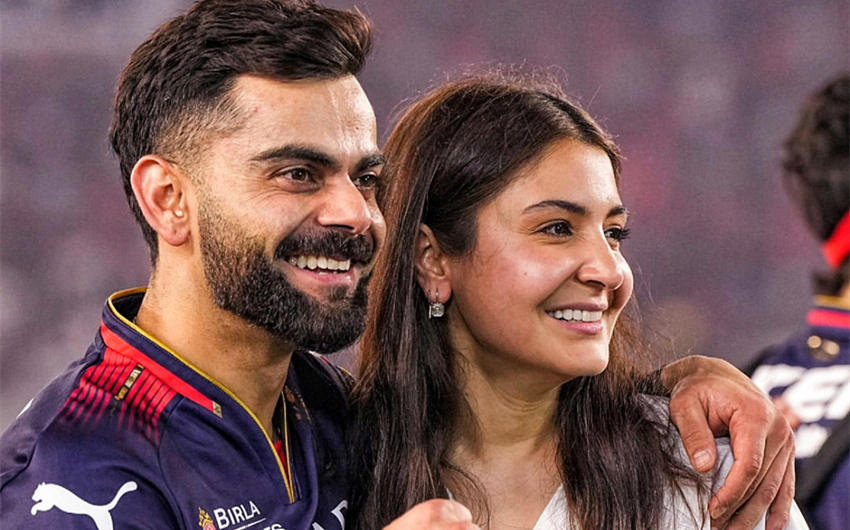
Virat Kohli’s net worth is one of the most searched figures in sports because he earns like a superstar athlete and markets like a global brand. Most recent estimates place his wealth at roughly $125–$130 million (around ₹1,040–₹1,100 crore). The exact total isn’t “official,” but the income streams behind it are easy to track: top-tier cricket contracts, a premium IPL deal, enormous endorsement power, and a growing portfolio of business ownership.
Who Is Virat Kohli?
Virat Kohli is an Indian international cricketer widely regarded as one of the greatest batters of his generation. He captained India across formats for years, became the face of modern Indian cricket, and remains a major figure in global sport even as his schedule evolves. Beyond performance, Kohli is also a rare athlete whose commercial pull is comparable to top global stars—meaning his wealth story is as much about brand strength as it is about runs and records.
Estimated Net Worth
Estimated net worth: about $125–$130 million (approximately ₹1,040–₹1,100 crore).
You may see lower estimates on some international celebrity net worth sites, and higher claims on smaller sports blogs. The gap usually comes down to methodology: some sources count only easily visible “cash-style” earnings, while others include business ownership and brand-linked asset value more aggressively. A $125–$130 million range is currently the most realistic middle ground because it fits the scale of Kohli’s verified cricket earnings plus his documented brand power and business expansion.
Net Worth Breakdown: Where Virat Kohli’s Money Comes From
1) BCCI central contract and match-related cricket earnings
Kohli’s base income starts with India’s central contracts. In the 2024–25 BCCI contract list, he was retained in the top A+ category, which carries a ₹7 crore annual retainer. That retainer is the “foundation” payment before you even account for match fees, performance bonuses, and any additional tournament-related payouts.
While match payments vary by format and selection, the key point is stability: a top-tier central contract keeps elite money flowing even when a player reduces workload in certain formats. For someone like Kohli, this category is important but not the biggest slice of his wealth anymore—because endorsements and ownership have grown faster than cricket salary.
2) IPL salary with Royal Challengers Bengaluru
The IPL is another major pillar. Kohli has been retained by Royal Challengers Bengaluru at ₹21 crore, a premium salary that places him among the top-paid names in the league. This figure matters for net worth because it’s direct, visible income and it arrives year after year with strong reliability.
But the IPL also creates a second layer of value: the league amplifies his brand every season. Even when a player’s match fees are huge, the commercial impact—more sponsorship attention, more social engagement, more demand—often matters even more than the paycheck itself.
3) Endorsements and sponsorship deals
This is the true wealth engine for Kohli. Brands pay for two things: trust and attention. Kohli delivers both at a scale few athletes can match, and he has built a long-term endorsement portfolio across sportswear, consumer goods, finance, lifestyle, and tech.
One strong indicator of his endorsement power is brand valuation. In the Kroll Celebrity Brand Valuation Study for 2024, Kohli again topped India’s celebrity brand list with a brand value reported at $231.1 million. That figure is not his personal net worth, but it does show why endorsements remain such a massive driver: he’s not just endorsing products—he’s a business asset brands compete to attach themselves to.
Endorsement income also tends to be high-margin. A film takes months to shoot. A tournament takes weeks. A sponsorship campaign can pay very large money for a much smaller time commitment, and the best athletes stack these deals for years.
4) Business ownership and equity
Kohli’s wealth story has shifted in a meaningful way in recent years: he’s increasingly moving from “brand ambassador” to “owner.” Ownership is what changes the ceiling. A sponsorship pays once. Equity can grow for years.
His One8 brand is a strong example. Reports in late 2025 noted he invested in Agilitas Sports and that the deal involved Agilitas acquiring One8, shifting Kohli into a deeper ownership-style role rather than a traditional endorsement relationship. Whether you view this as a brand restructure or an expansion move, the wealth implication is the same: Kohli is building assets, not just collecting fees.
He has also been associated with hospitality and lifestyle ventures (including restaurant-linked projects and brand extensions). These categories don’t always show up neatly in net worth calculators, but they matter because they create diversified income that doesn’t depend on scoring runs in a specific season.
5) Investments and stakes in startups and sports ventures
Kohli has also been linked to multiple investments over the years—some in consumer brands, some in sports-related ventures, and some in emerging categories. The public rarely sees exact ownership percentages, which is why outside estimates vary. Still, the overall pattern is clear: he has been deploying capital like a modern athlete-entrepreneur, using his brand to open deal flow and then converting that access into equity positions.
From a net worth perspective, this is where the number can climb quickly over time. If even a few investments perform well, the upside can rival years of salary.
6) Real estate and lifestyle assets
High-profile athletes often store wealth in real estate, and Kohli is no exception. Recent reporting has highlighted luxury properties associated with him, including a high-value home in Gurugram. Real estate can be both a lifestyle choice and a long-term store of value, and over time it can become a meaningful slice of net worth—especially when property is held in prime markets.
This category is also a reminder of why net worth is not the same as yearly income. Net worth includes what you own: property, business stakes, and long-term assets. That’s why Kohli’s wealth remains strong even as his playing workload changes.